Not only is Florida left out of the conversations about the South, but we also get left out of conversations about Gullah Geechee culture, which is often attributed to the Carolinas. However, Jacksonville has one of the largest populations of Gullah Geechee people to this day.
In the 1860s, 42% of Jacksonville’s population was enslaved. Most people worked on rice plantations, but logging, carpentry, and millwork were huge industries as well. The shipyards Outeast (we don’t call it the eastside) are the same ports nearby plantations used to ship their crops along the St. Johns River.
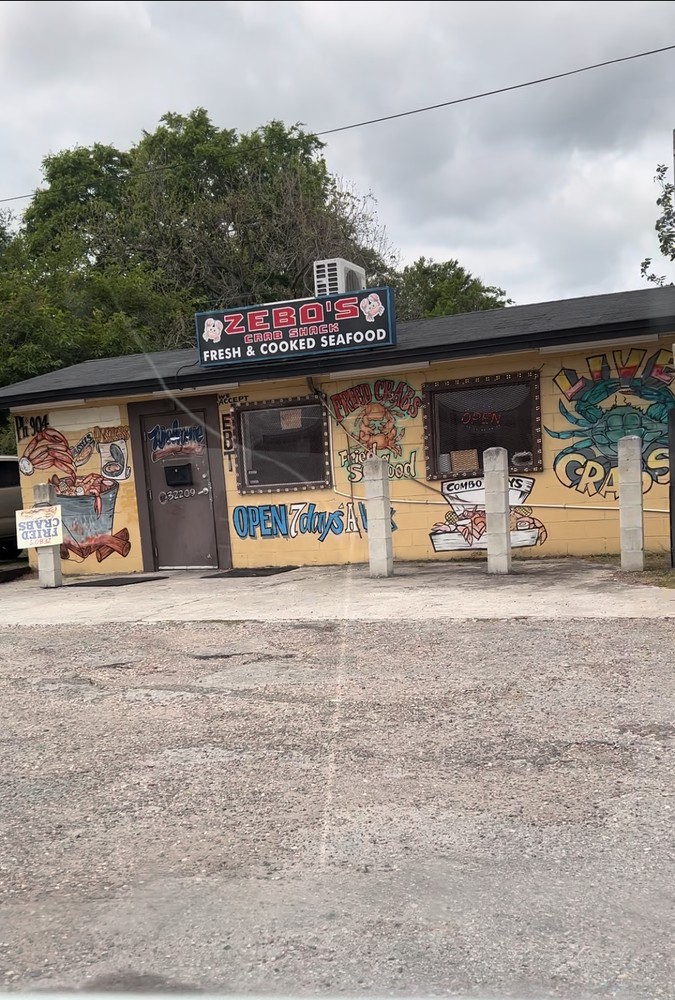
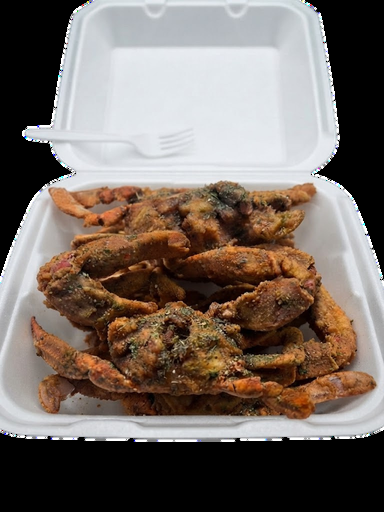
The Gullah Geechee people enslaved at Jacksonville plantations were given small rations of rice and grits. Over time they learned to live off the land and environment by catching seafood from the nearby waters, such as shrimp, fish, blue crab, and oysters. Our city’s staples such as garlic crabs, fried crabs, seafood boils, and shrimp and grits were born out of necessity and have become one of my favorite parts of the city’s culture.
“A prophet is not without honor except in his hometown.” — Mark 6:4
Jesus returned to his hometown, ready to perform miracles and help the people he grew up with, but they didn’t see a prophet. All they saw was the carpenter’s kid from down the street claiming to be special. They couldn’t look past who he used to be, in order to accept the person he had become. Their disbelief caused them to block their own blessings, and they ran Jesus out of his hometown before he could perform many miracles.
In 1869, the Freedman’s Bureau provided land for building the first public school for Blacks, Stanton. While Black children attended during the day, the adults attended at night.
In 1887, five Black City Council members were elected. James Weldon Johnson, writer of the Black national anthem “Lift Every Voice and Sing,” wrote about his hometown, which Black people considered “the most liberal town in the South” — and by 1900, only 35 years after slavery, 86% of Jacksonville’s Black population had learned to read and write.
The Black community seemed to be on the path to advancement, but when James Weldon Johnson returned from New York in 1903, he wrote that the city had become a “100% cracker town” after he saw the Jim Crow laws being put in place, Black leaders being removed from their positions, and an increasing number of lynchings.
In 1913, James came back again; he even considered settling down in the city that raised him. One of his white banker friends warned him that if he had never left Jacksonville, it would have been one thing, but to leave and return — “don’t try it.”